How IBC Tanks Improve Storage and Transport Efficiency
Intermediate Bulk Containers, or “ibc” tanks, are widely used for storing and transporting liquids and bulk materials in a safe and efficient way. Their durable design, reusable structure, and flexible applications make them a strong choice for industrial and commercial use.
What Are IBC Tanks?
IBC tanks are large storage containers developed for handling liquids and bulk substances with greater efficiency than smaller packaging units. They are commonly used in industries such as agriculture, chemicals, pharmaceuticals, and food processing. Most IBC tanks are made with a high-density polyethylene (HDPE) inner bottle and a metal cage frame, which provides strength and protection during storage and shipping.
Key Features of IBC Tanks
IBC tanks offer several core features that support practical day-to-day operations:
- Durability: Their strong materials and reinforced structure help them withstand repeated use and transportation.
- Reusability: IBC tanks can be cleaned and refilled multiple times, reducing waste and lowering packaging costs.
- Space Efficiency: Their stackable, uniform shape makes warehouse storage and logistics planning more efficient.
Benefits of Using IBC Tanks
Businesses use IBC tanks because they provide multiple operational advantages:
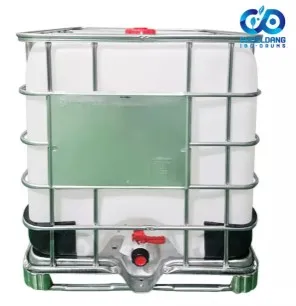
First, they support better cost management. Since IBC tanks are designed for long-term reuse, companies can reduce replacement frequency and packaging expenses. Their larger capacity also means fewer containers are needed to move the same amount of product.
Second, they improve safety and product protection. The secure cap system and sturdy outer frame help reduce the risk of spills, leaks, and contamination during handling and transport. This is particularly important for sensitive or regulated materials.
Third, they are highly versatile. IBC tanks can be used for a wide range of liquid and bulk storage purposes, from industrial chemicals to food-grade ingredients. Their broad usability makes them a dependable choice across industries.
Applications of IBC Tanks
IBC tanks are used in many industries, with each sector applying them in different ways:
| Industry | Application |
|---|---|
| Agriculture | Storage of fertilizers, pesticides, and water for field operations |
| Chemicals | Transport and storage of liquid chemical products and compounds |
| Food and Beverage | Handling of edible oils, syrups, and food-processing liquids |
Choosing the Right IBC Tank
To select the right IBC tank, it is important to review your operational requirements carefully:
- Material: Make sure the tank material is compatible with the product being stored or transported.
- Size: Choose a tank capacity that fits your storage volume and delivery process.
- Regulations: Confirm the tank complies with the industry standards and safety requirements relevant to your use case.
IBC tanks continue to be a practical and efficient solution for businesses that handle liquids and bulk materials. Their durability, safety, and reusable design help improve logistics performance and long-term operating efficiency.
If your business needs a reliable storage and transport option, IBC tanks are worth considering. Comparing product type, handling conditions, and compliance requirements will help you choose the right tank for your operation.