Understanding the Versatility of IBC Tanks
When it comes to efficient liquid storage and transportation, the importance of ibc tanks cannot be overstated. These Intermediate Bulk Containers (IBCs) offer a practical solution for industries dealing with large volumes of liquid substances.
The adaptability and durability of ibc tanks make them a favorite choice across various sectors, from agriculture to manufacturing. Let’s delve deeper into the reasons why these tanks are essential and how they can benefit your business operations.
What Makes IBC Tanks Essential?
ibc tanks are renowned for their robust design, which allows them to store and transport significant quantities of liquids safely. Here are some key features that make them indispensable:
- Durability: Made from high-quality materials, these tanks can withstand harsh conditions and are resistant to chemical reactions.
- Versatility: Suitable for storing a wide range of substances, including chemicals, food products, and pharmaceuticals.
- Safety: Equipped with secure sealing mechanisms to prevent leaks and contamination.
Their design not only ensures the safety of the contents but also enhances operational efficiency by minimizing the risk of spills and damage.
Applications of IBC Tanks
In various industries, ibc tanks play a crucial role in streamlining operations. Here’s a quick overview of their applications:
| Industry | Application |
|---|---|
| Agriculture | Transporting fertilizers and pesticides |
| Food and Beverage | Storing and transporting liquid ingredients |
| Pharmaceuticals | Handling chemical compounds safely |
Adopting ibc tanks in these industries helps maintain product integrity and ensures compliance with safety regulations.
“The right storage solution can transform your business operations, ensuring safety and efficiency at every step.”
Choosing the Right IBC Tank
Selecting the appropriate ibc tank for your needs involves considering several factors. Here are some tips to guide you:
- Capacity: Determine the volume of liquid you need to store or transport to choose the right size.
- Material: Consider the chemical compatibility of the tank material with the stored substance.
- Regulatory Compliance: Ensure that the tank meets industry standards and regulations for safety and quality.
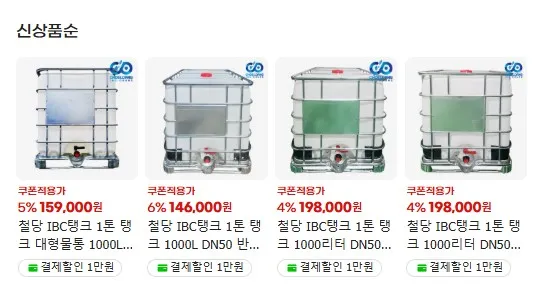
These considerations will help you make an informed decision, optimizing the efficiency and safety of your operations.
Conclusion
The integration of ibc tanks can significantly enhance your business operations by providing a reliable solution for liquid storage and transportation. Embrace this versatile tool and witness the transformation in your efficiency and safety standards.
Take the next step towards optimizing your business processes by exploring the potential of ibc tanks today. Evaluate your needs, choose the right tank, and enjoy the benefits of a streamlined operation.